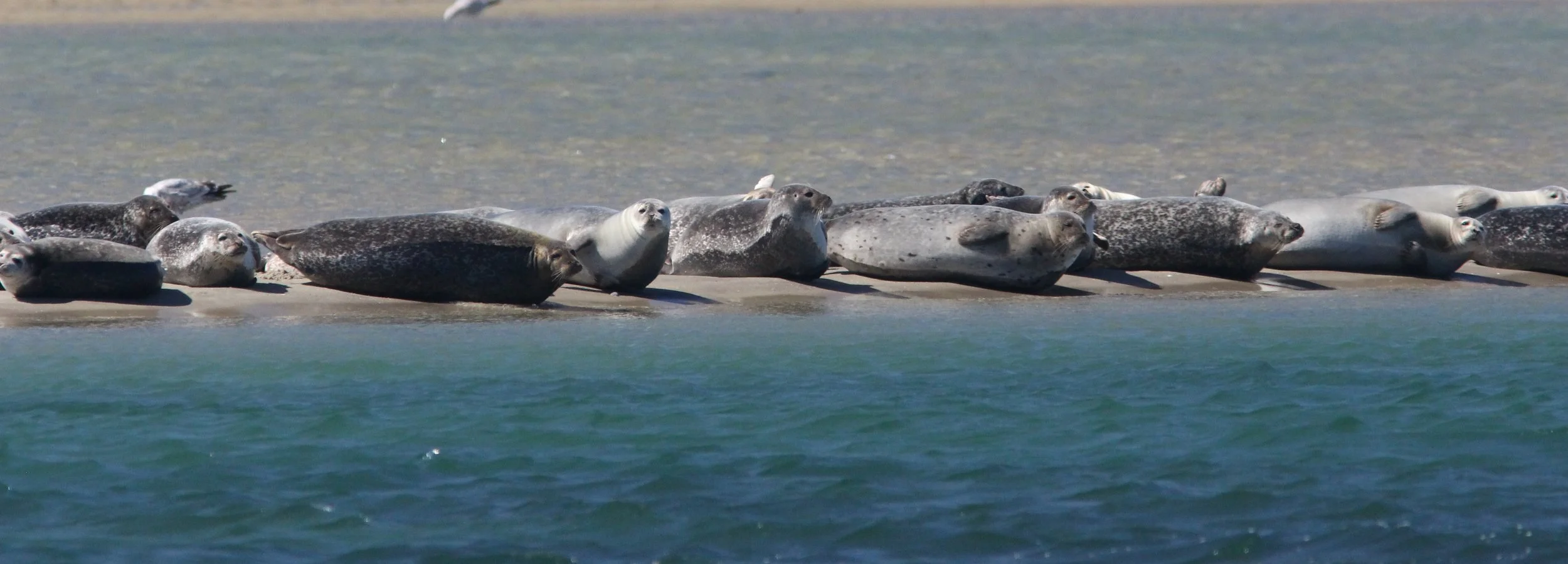
Atlantic Marine Conservation Society’s “AMSEAS” staff has conducted aerial, boat, and land-based surveys for marine mammals and sea turtles in New York for decades. This project builds on the existing decades of surveys and increase the frequency of surveys for seals to a year-round, bi-monthly basis. In the last three years, it has been documented that seals are a year-round visitor to the waters around New York. The re-introduction of gray seals to the region in the early 2000s has increased the need to understand how these animals are operating in this ecosystem. Understanding how these animals move throughout the region and how they interact with natural and man-made structures is critical to understanding the impact seals have on the environment and the impacts we have on these animals.
Click through the images below, taken during AMSEAS surveys and health assessment projects!
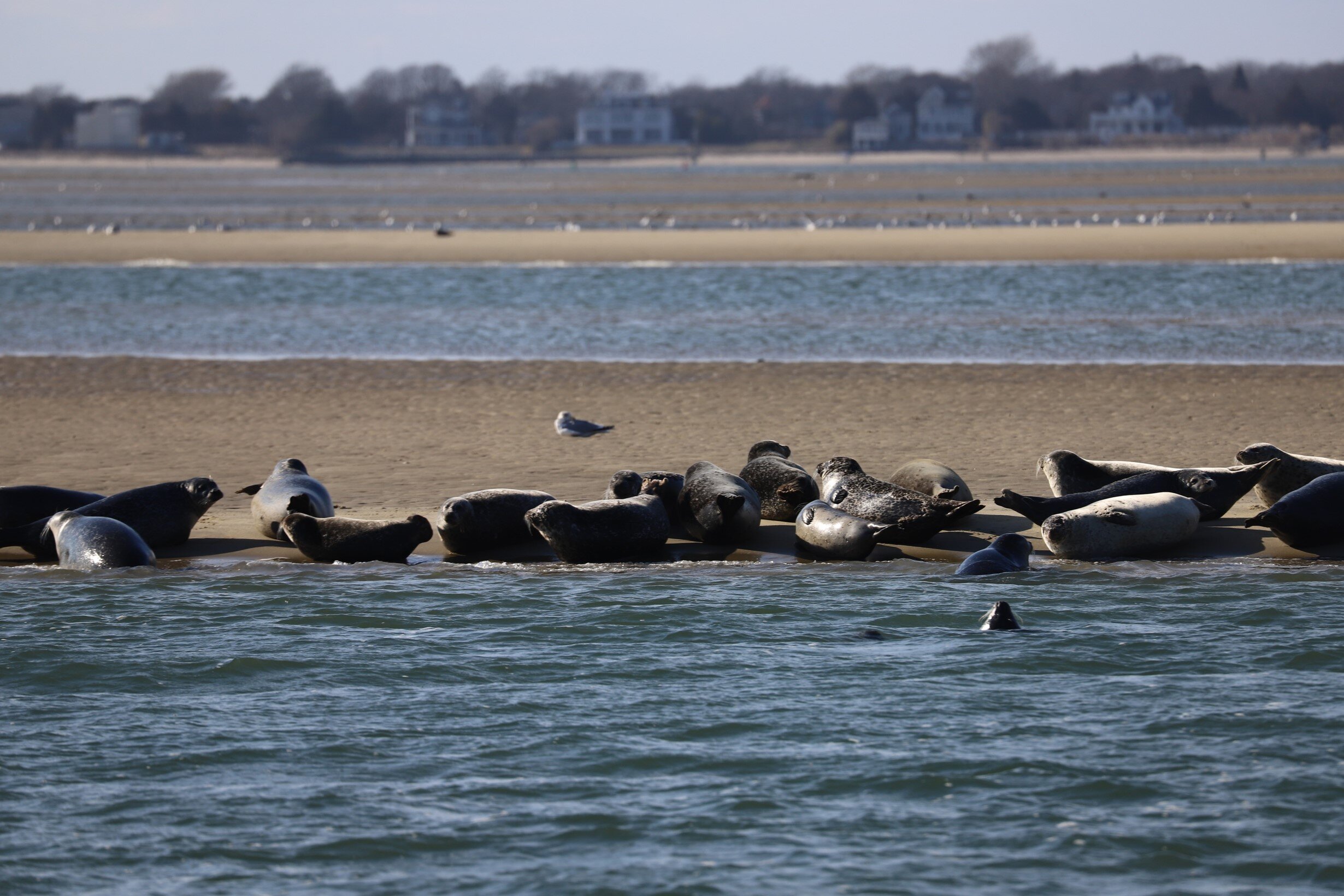
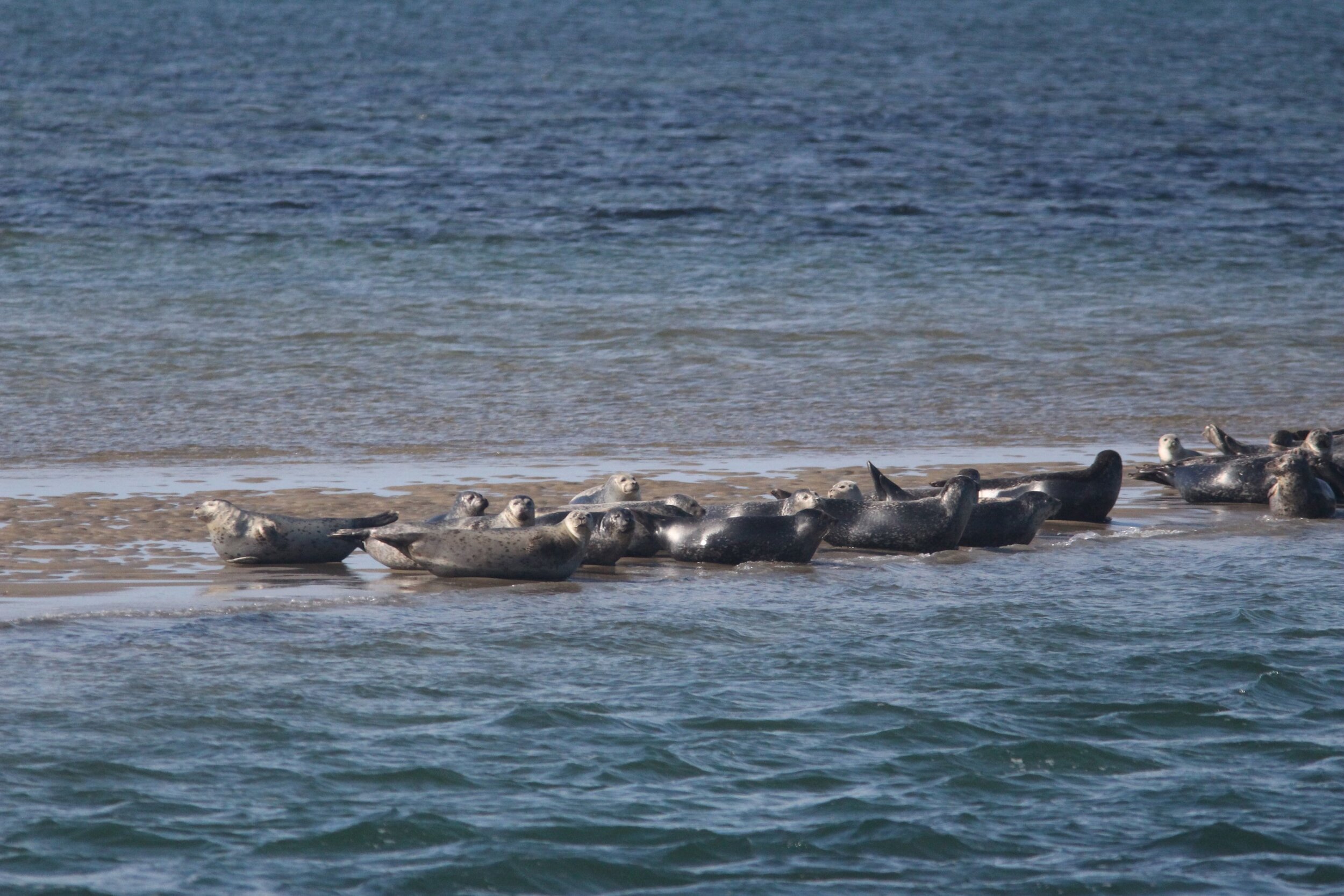
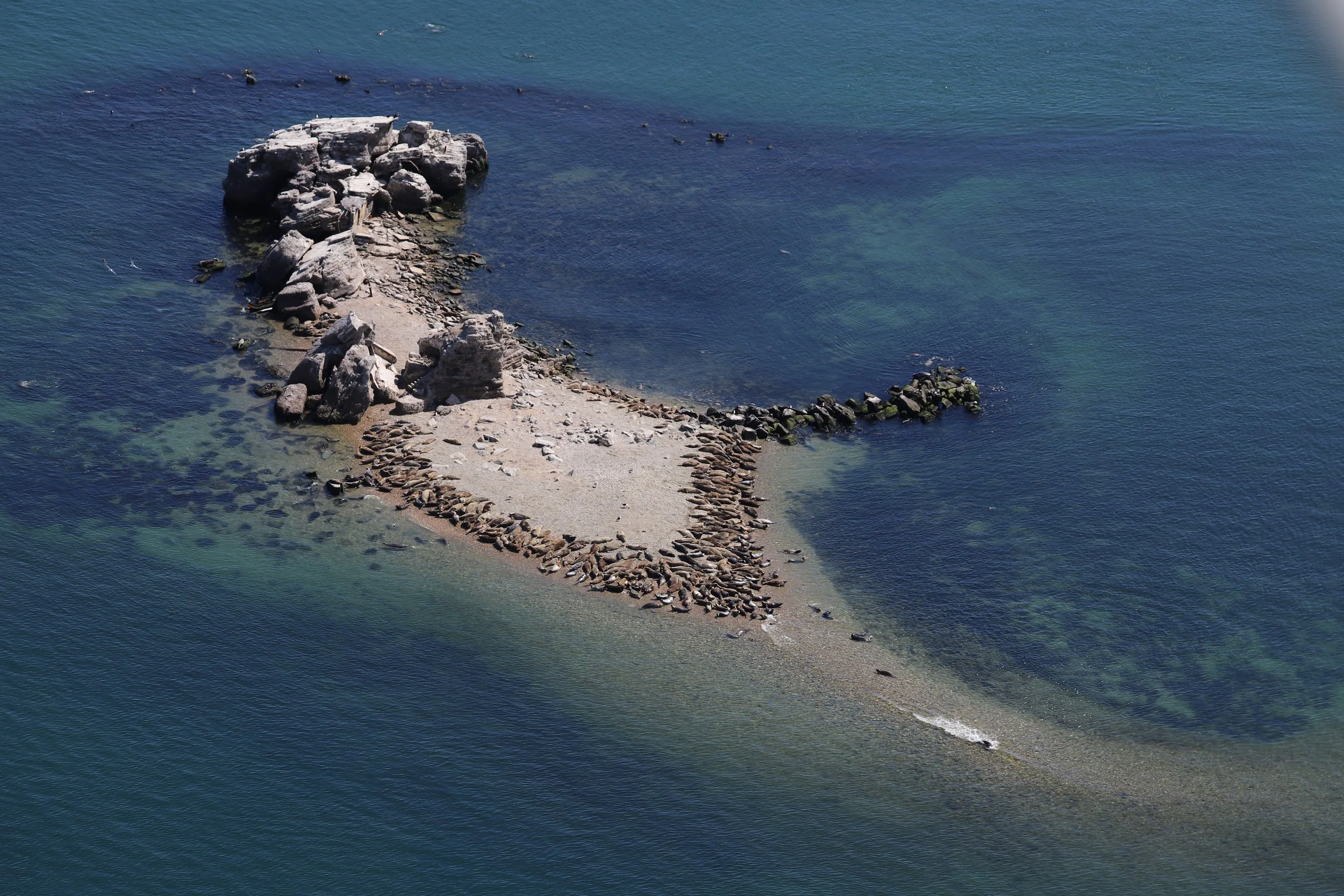
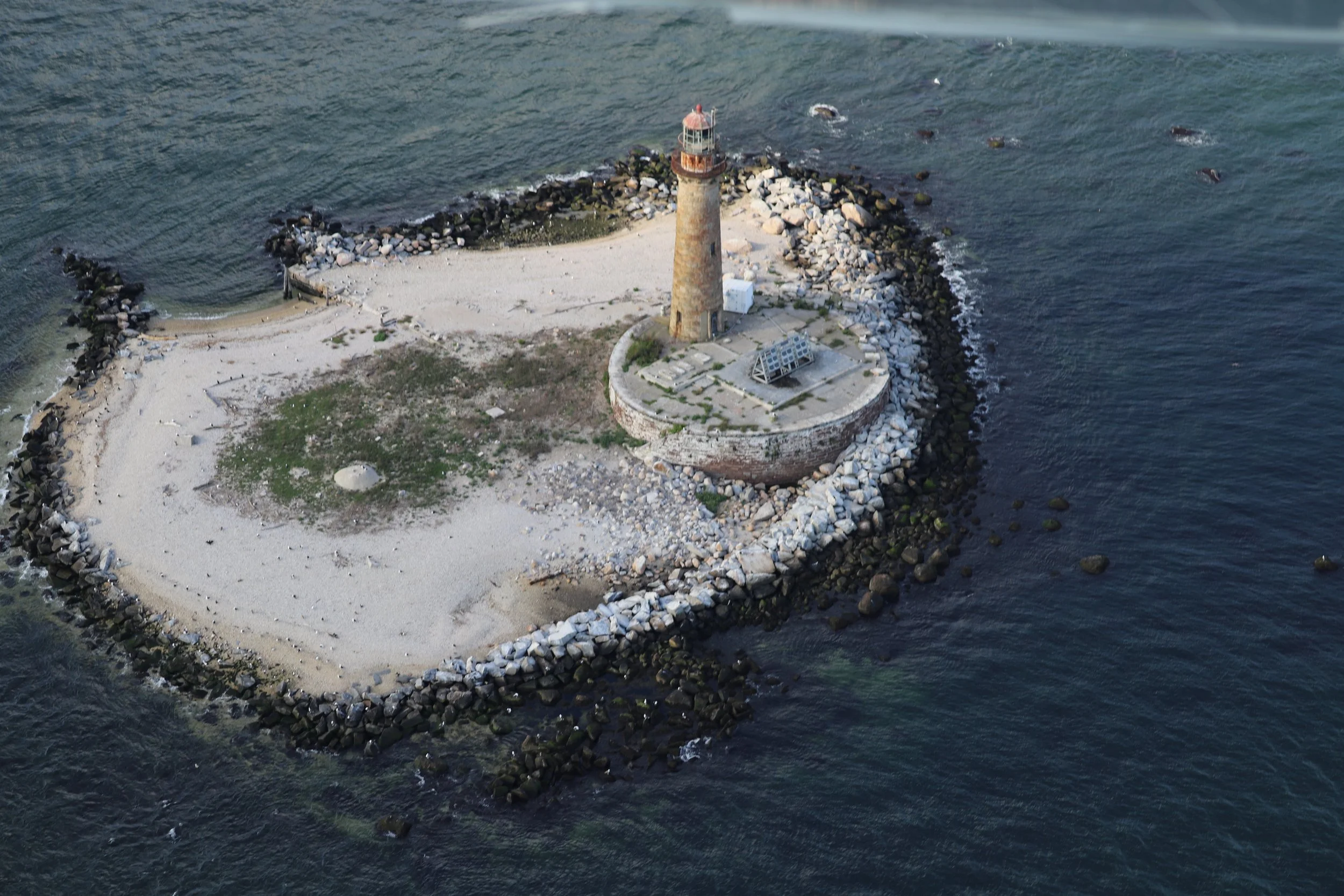
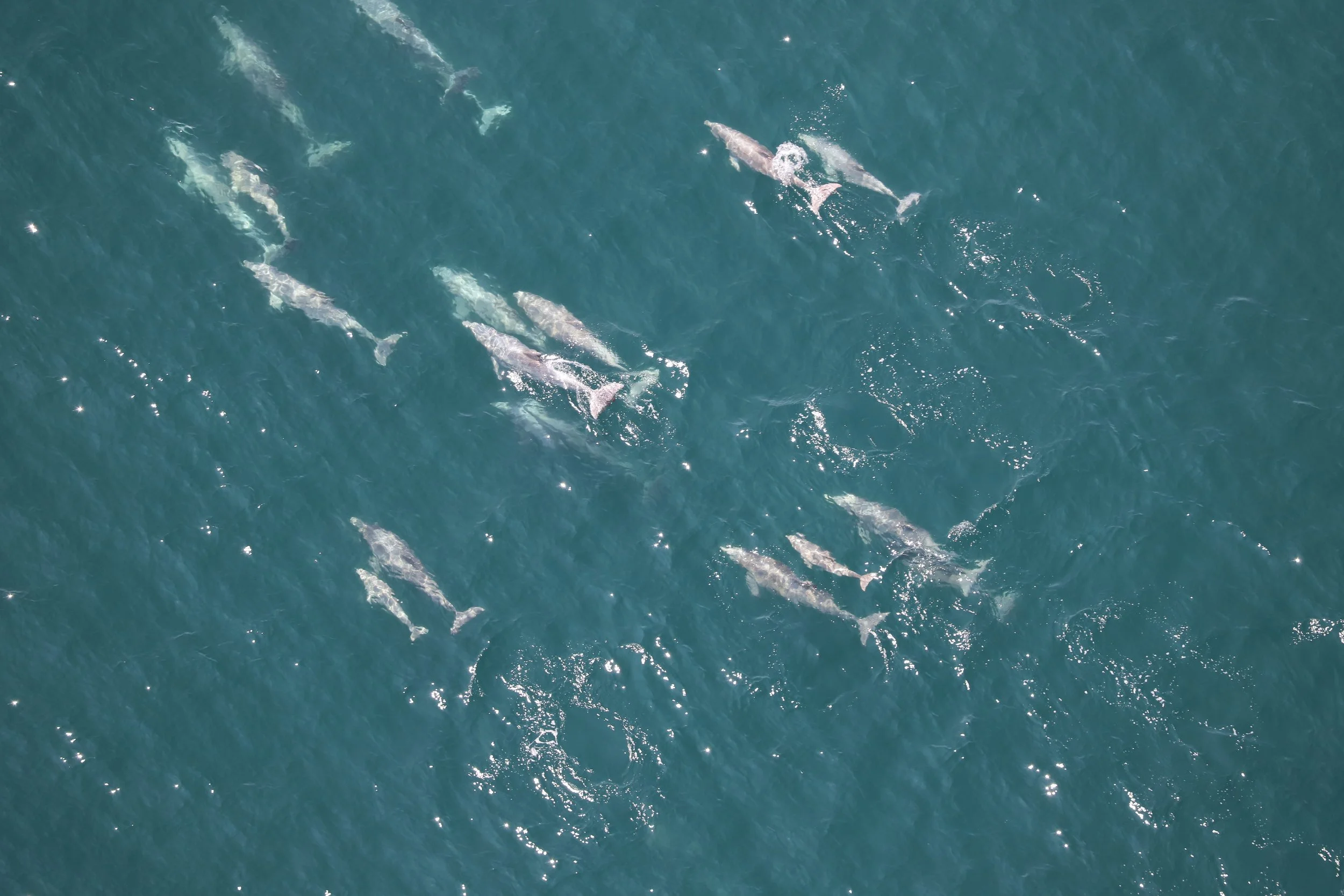
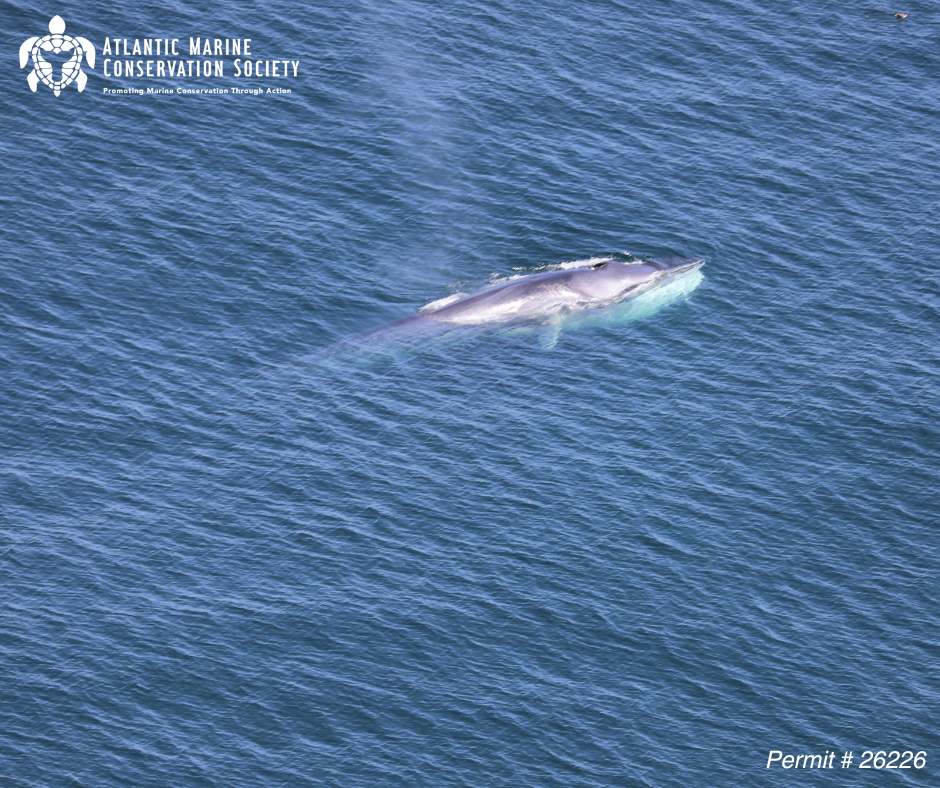

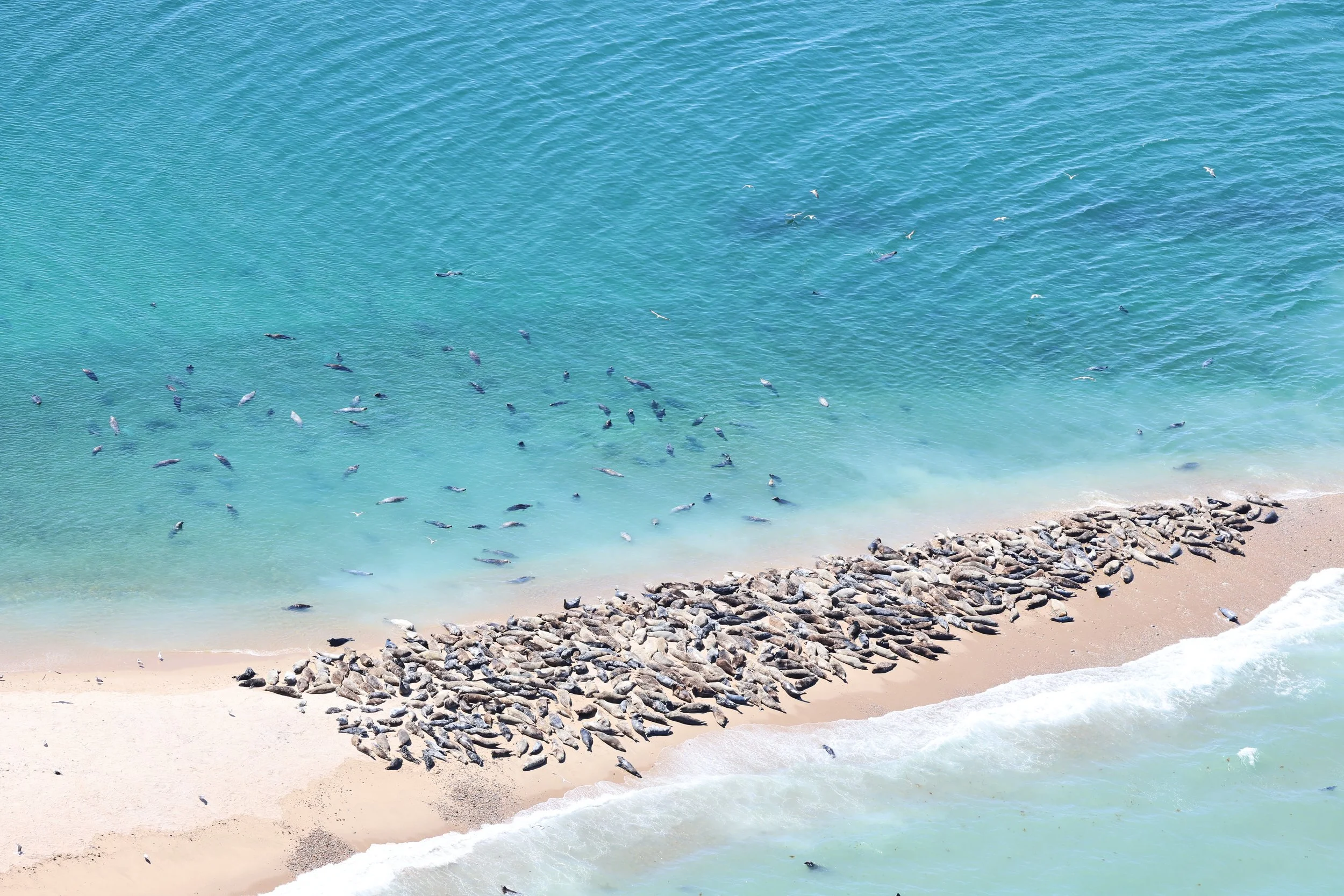


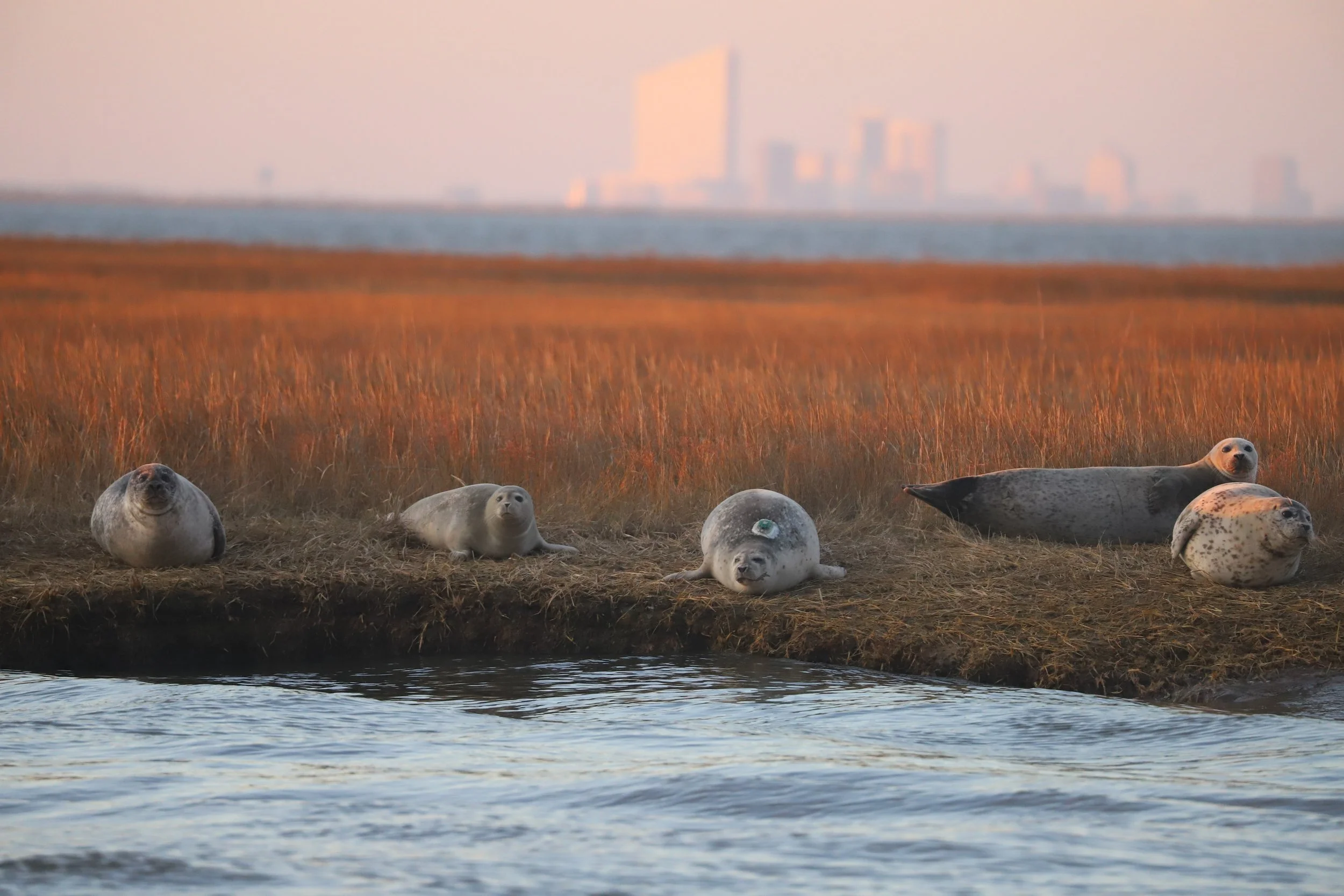
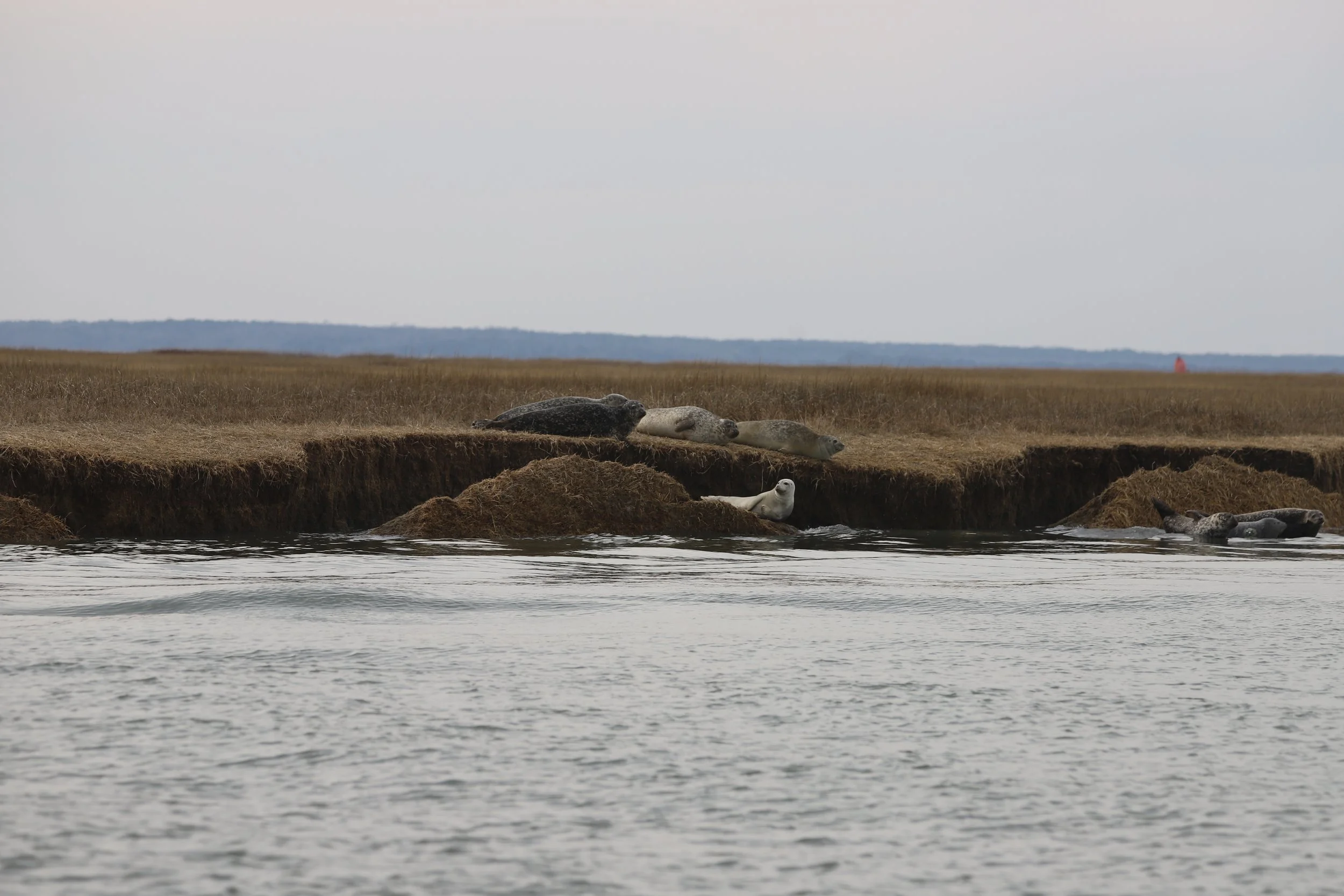
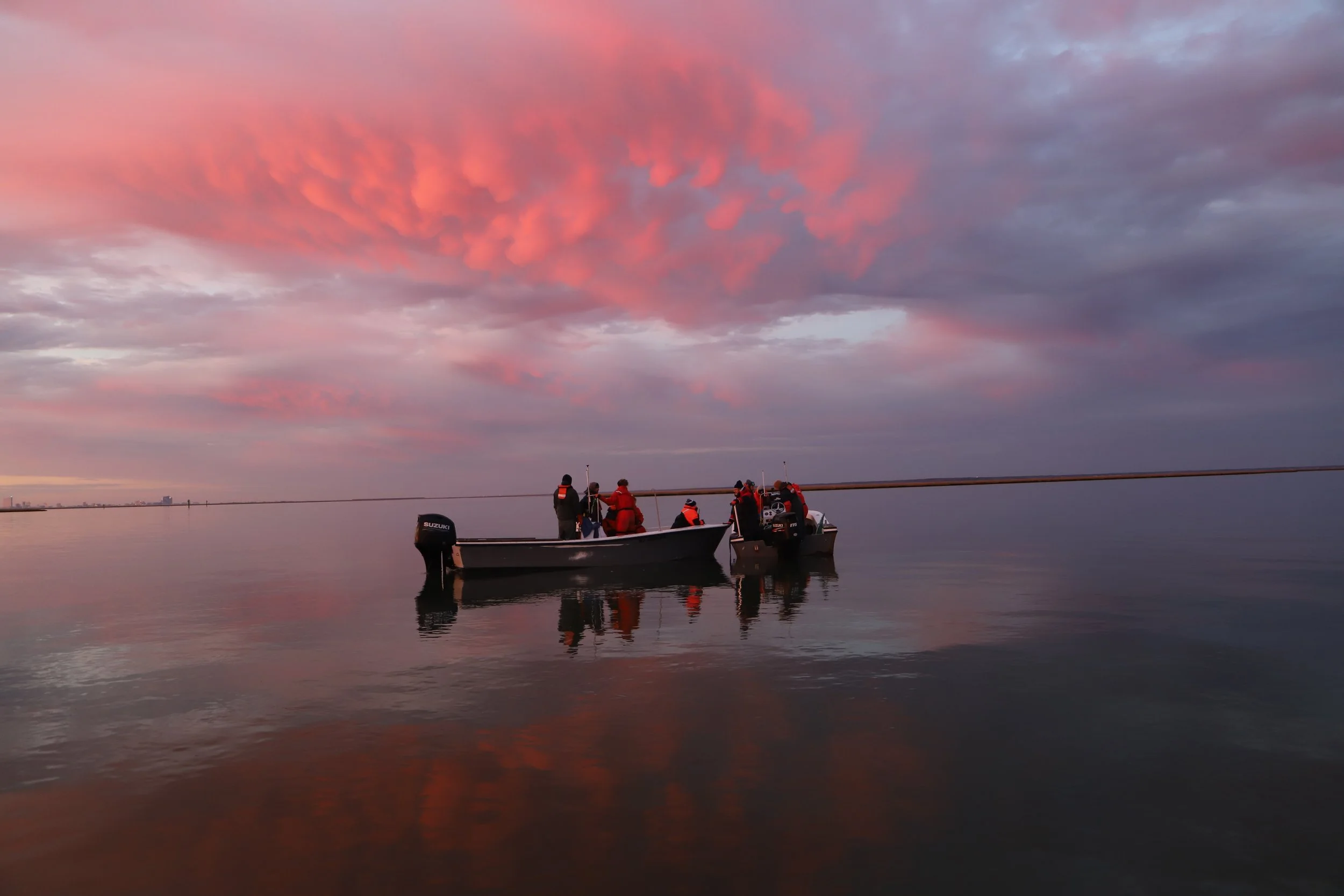
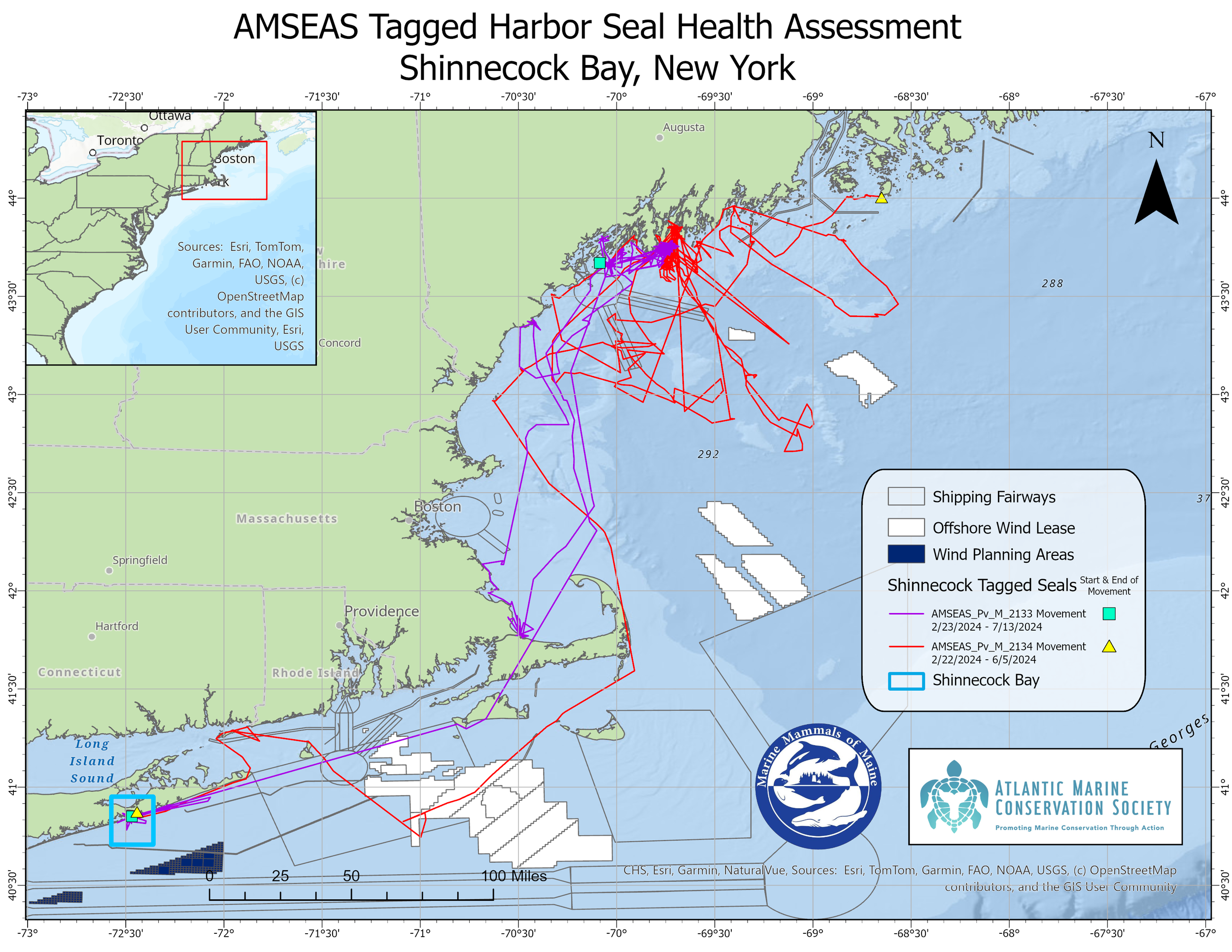
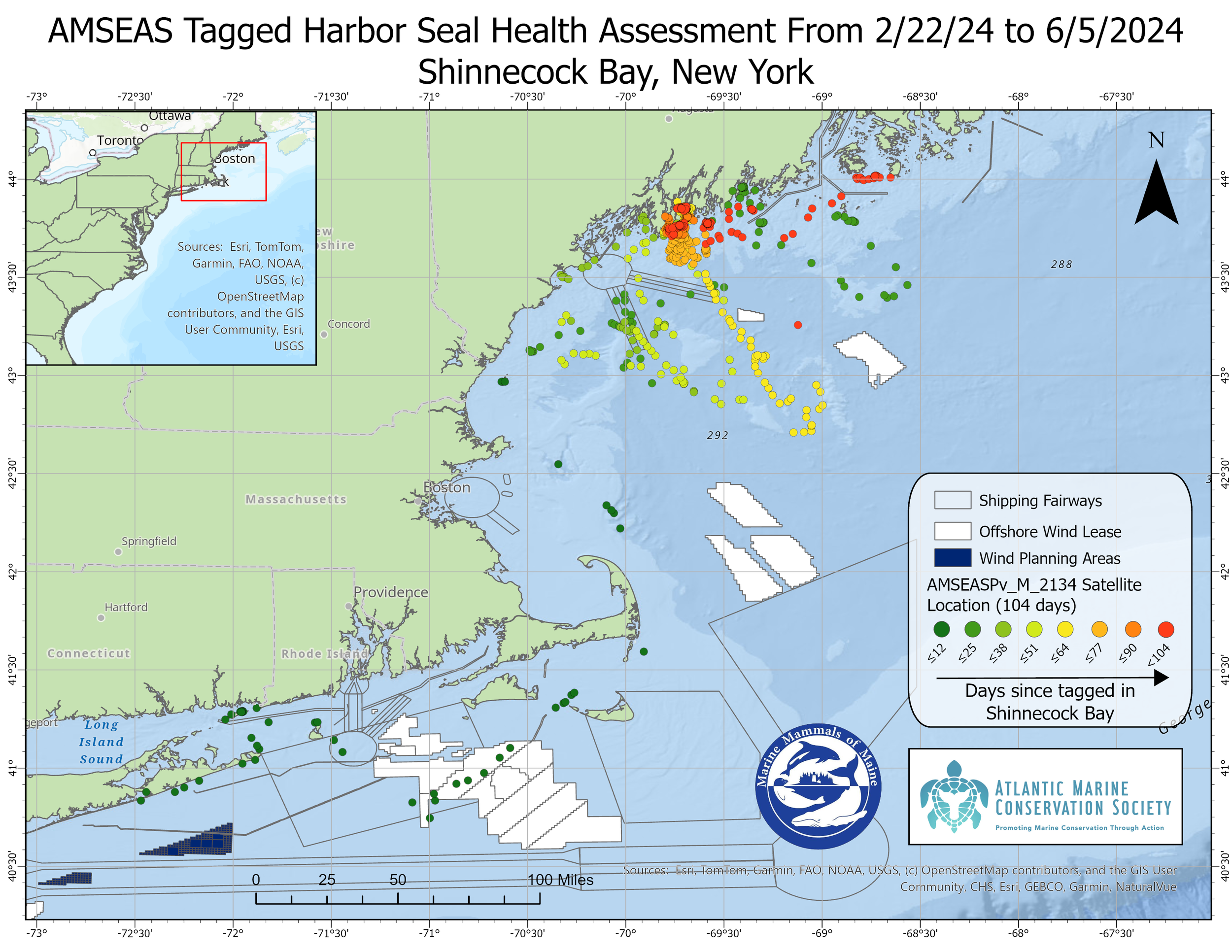
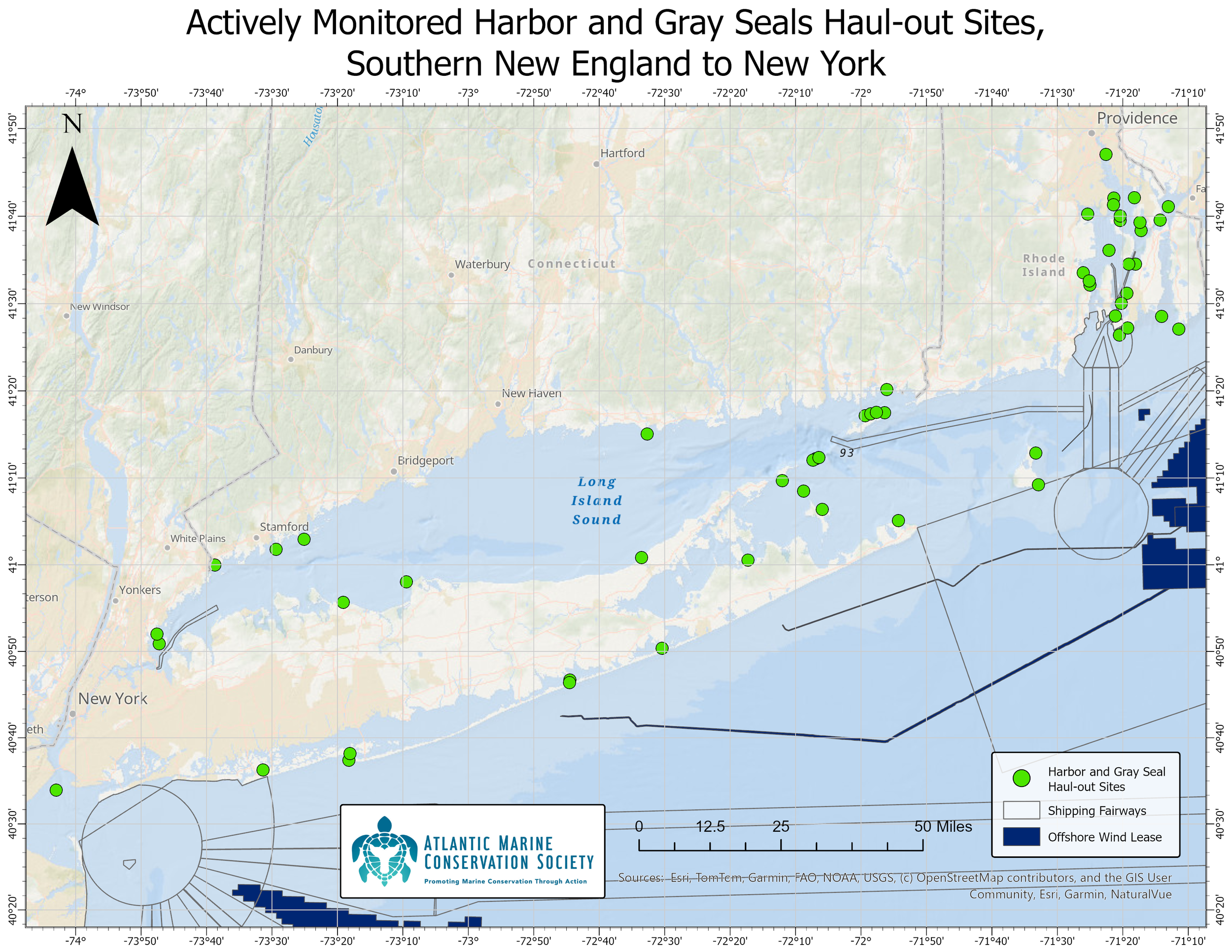
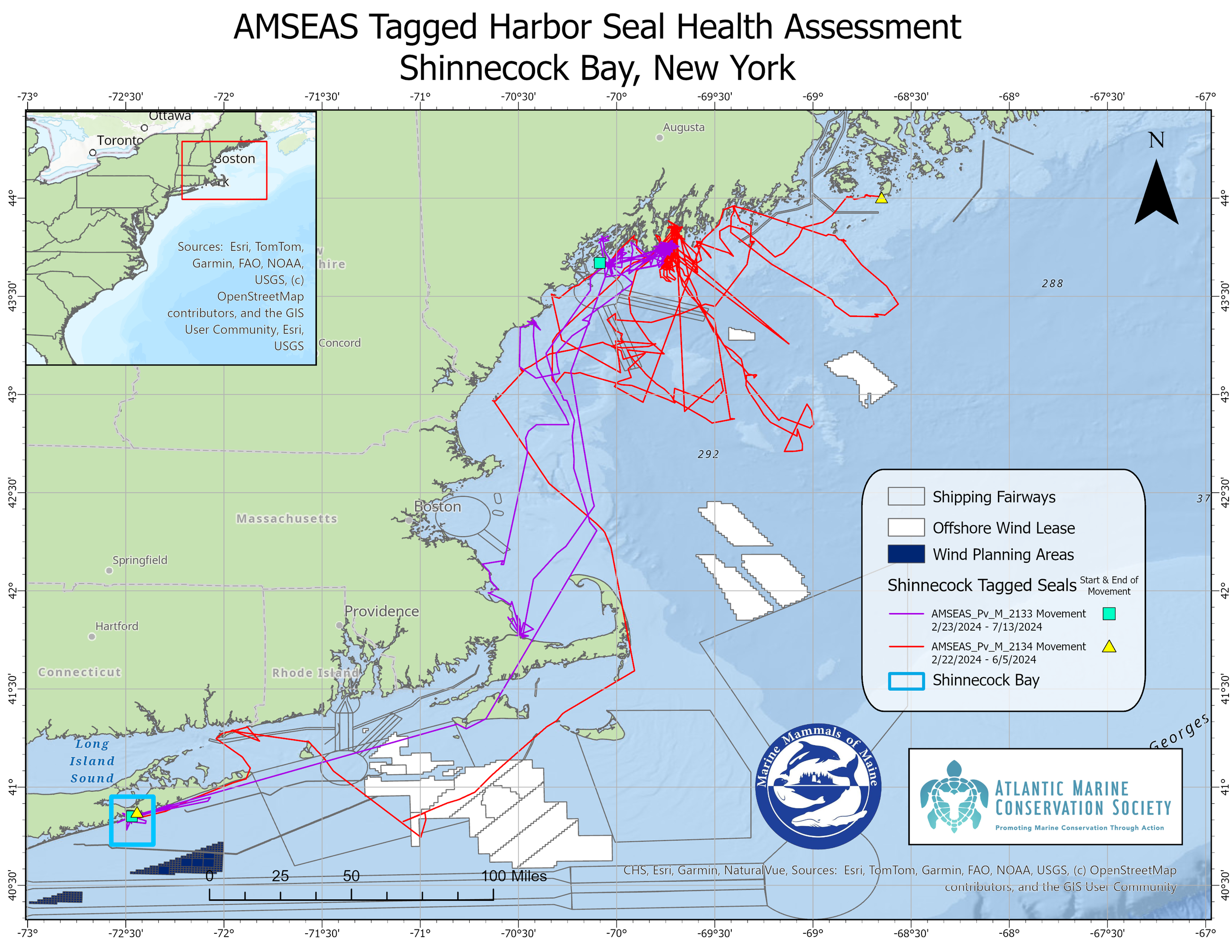
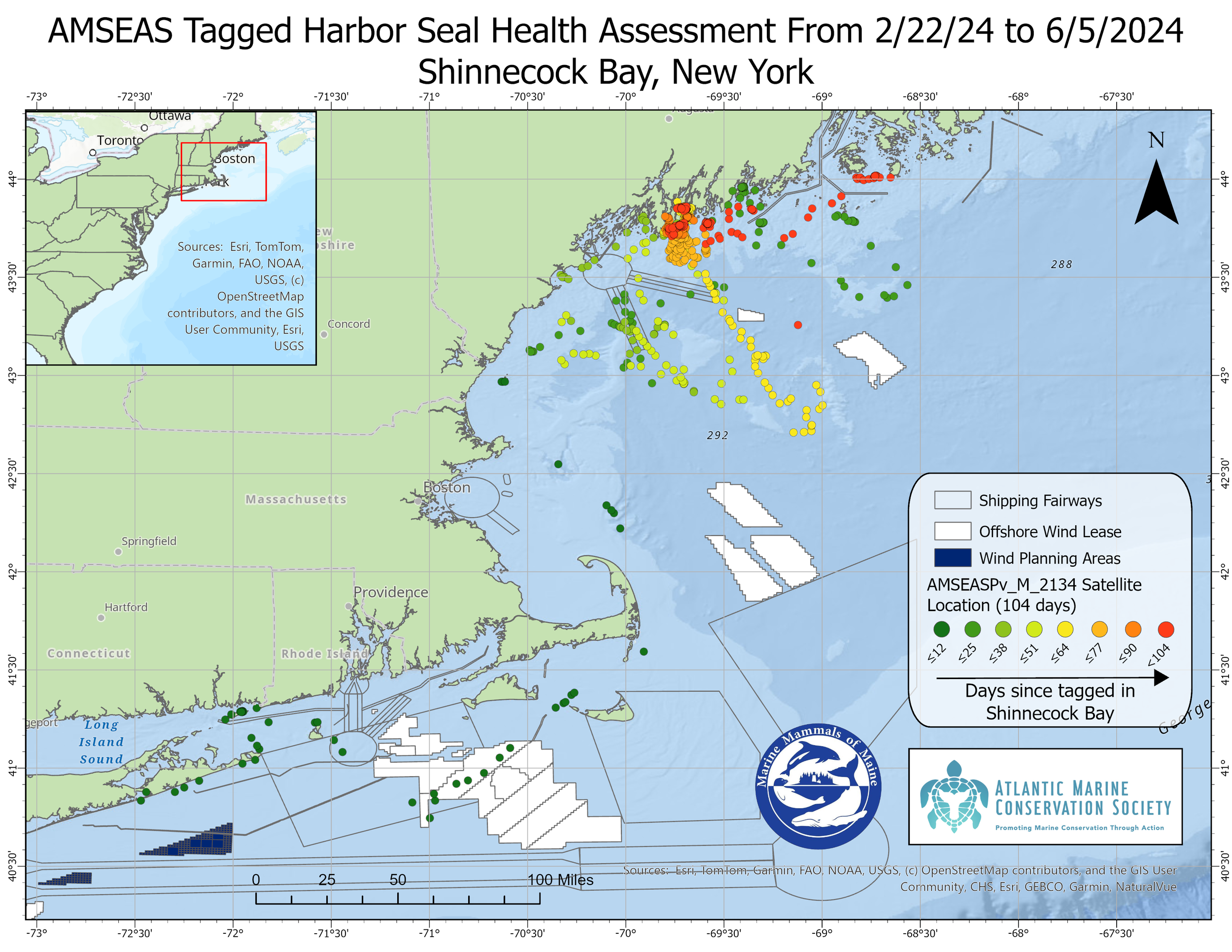
In November 2018, the AMSEAS team completed an aerial survey of haul out sites around Long Island, Connecticut and Rhode Island in support of the Northeast US Pinniped Unusual Mortality Event (UME) investigation. More than 900 harbor and gray seals were observed in Moriches Bay, Shinnecock Bay, Montauk, Fisher’s Island, Little Gull Island, Block Island, and Narragansett Bay. This survey provided a picture of harbor and gray seal migrations and the population status in light of more than 1,400 animals that were responded to in the region since July 2018. Continuing our work to understand the movements and health of these populations, AMSEAS chief scientist Rob DiGiovanni deployed two satellite tags on harbor seals with Marine Mammals of Maine and Mystic Aquarium’s Animal Rescue Clinic.
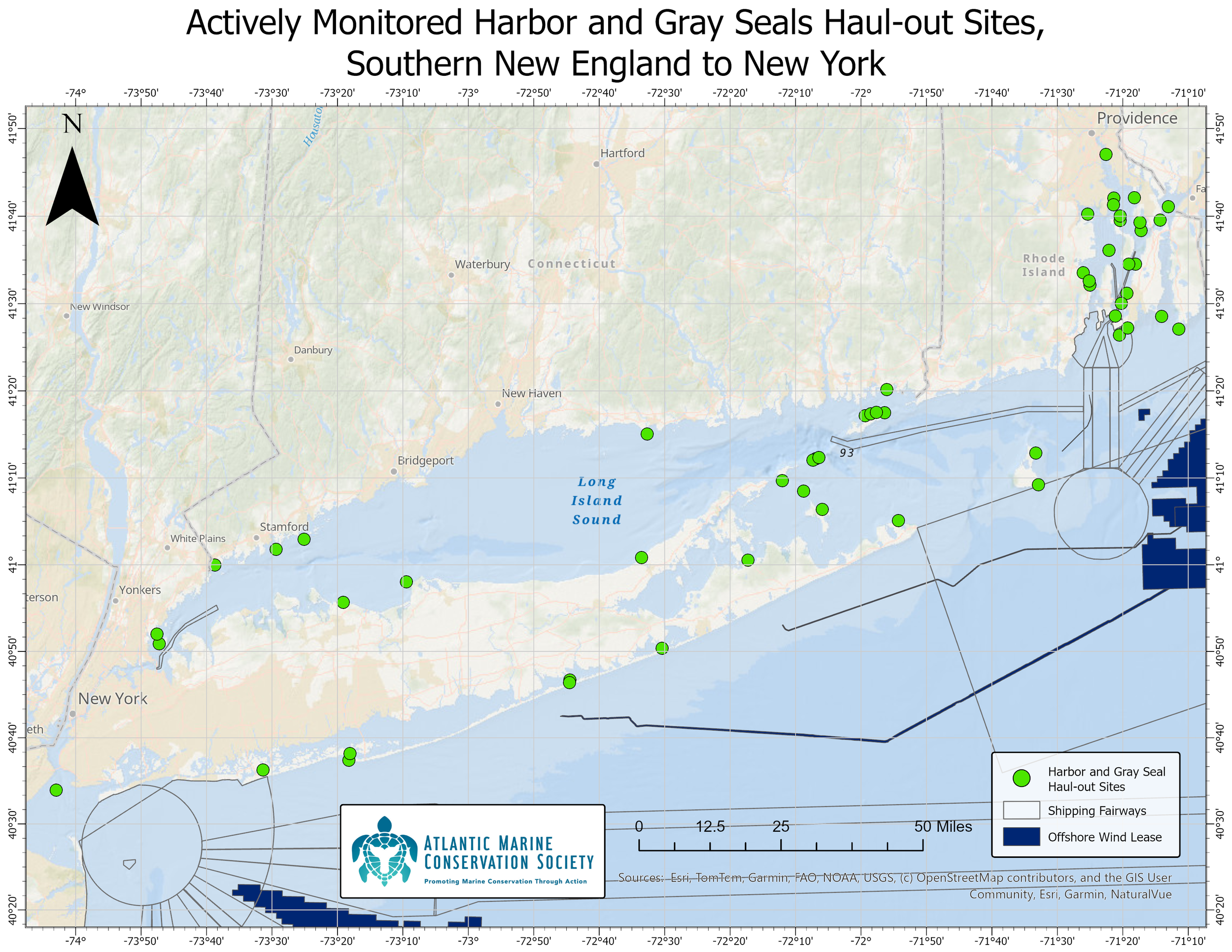
Track lines of aerial surveys completed by AMSEAS in early 2021, along with the main seal haul-out sites along the New England and New York coastlines.

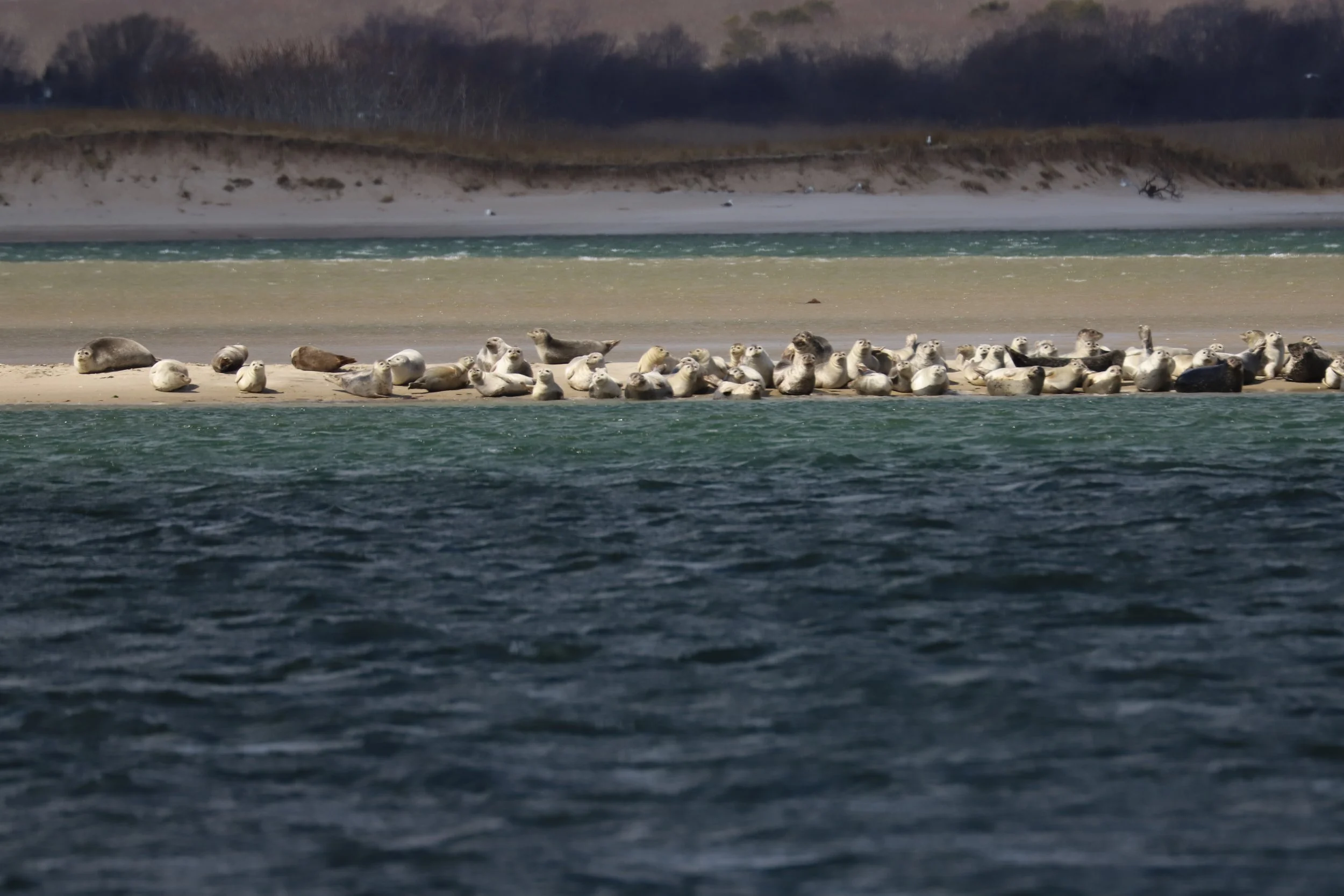
Gray seals hauled out at Little Gull Island during one of AMSEAS’ aerial surveys.
This data is critical to understanding the impacts wind energy exploration on the species’ behavior.
PROGRAM UPDATES
AMSEAS team has continued aerial surveys of seal haul-out sites, monitoring NY region sighting changes.
Built on ad hoc efforts to expand efforts and formalize programs
Health Assessment project for wild seals have been added to NY research efforts
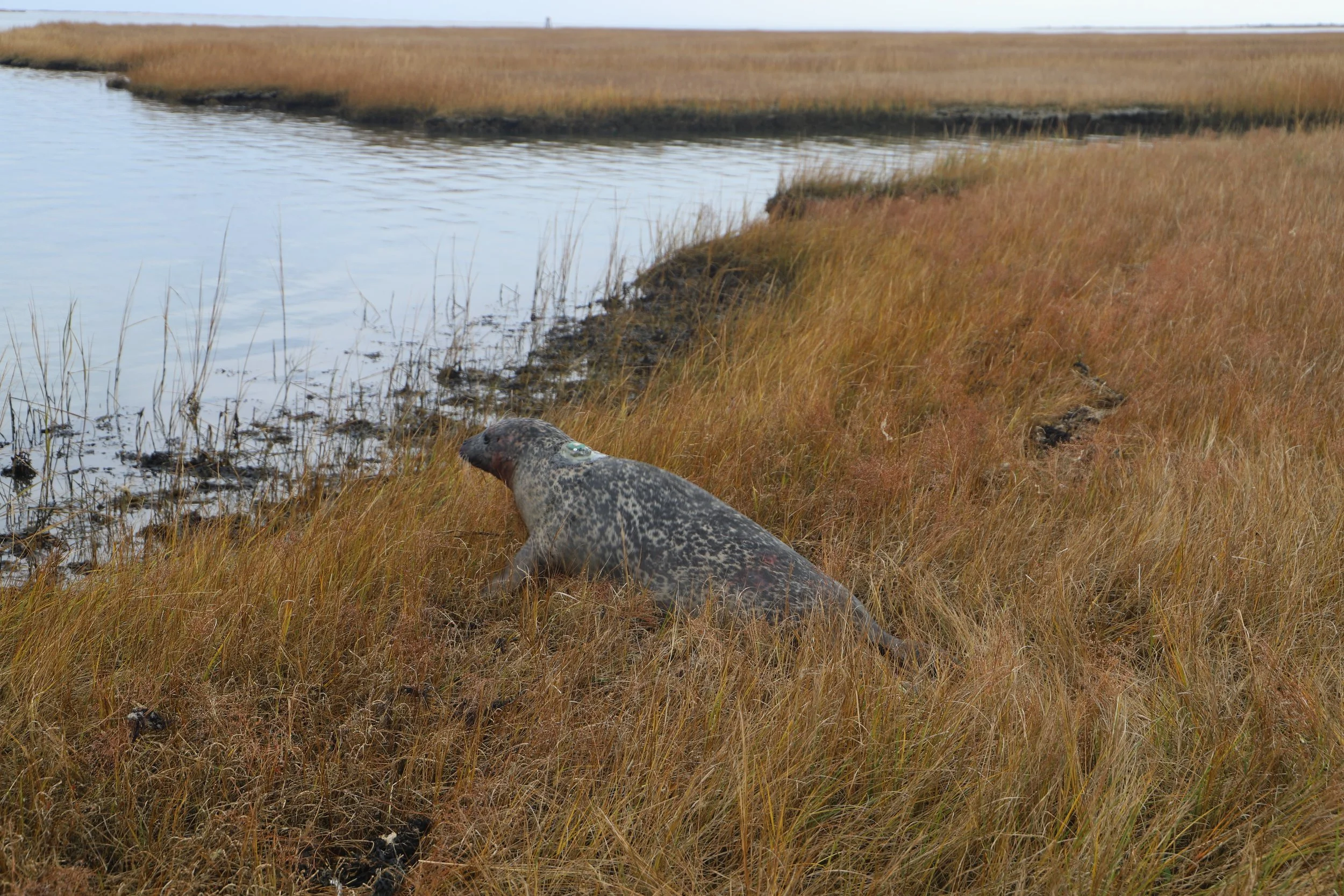
Satellite and acoustic tags outfitted on harbor and gray seals, as well as rehabilitated sea turtles, track habitat use across the Northwest Atlantic
Health assessments collect data: disease surveillance, blood values, sex, and age class
Continued monitoring efforts have documented three new gray seal haul-out sites in the NY area: Ft. Tyler and Gardiner’s Island in Gardiner’s Bay, and the North Tip of Block Island, RI
Latest Aerial Survey in July 2026 documented continued year-round gray seal presence on the East End of LI and RI
Developed standardized satellite tag data analysis methods to analyze tags from multiple projects
Joint satellite and acoustic tagging with ASI to track seals relative to sharks
Testing acoustic flipper tags as a cost-effective long-term tracking method
PROGRAM LEGACY & FUTURE MONITORING
Training new field biologists in research and data collection methods, conducting aerial surveys, as well as wild seal capture techniques
Over 70 satellite tags were deployed on seals in the Northwest Atlantic Ocean through AMSEAS program and collaborations with various partners
Satellite tracking of rehabilitated sea turtles in the NY Bight continues through AMSEAS partnership with Sea Turtle Recovery and Mystic Aquarium’s Animal Rescue Program
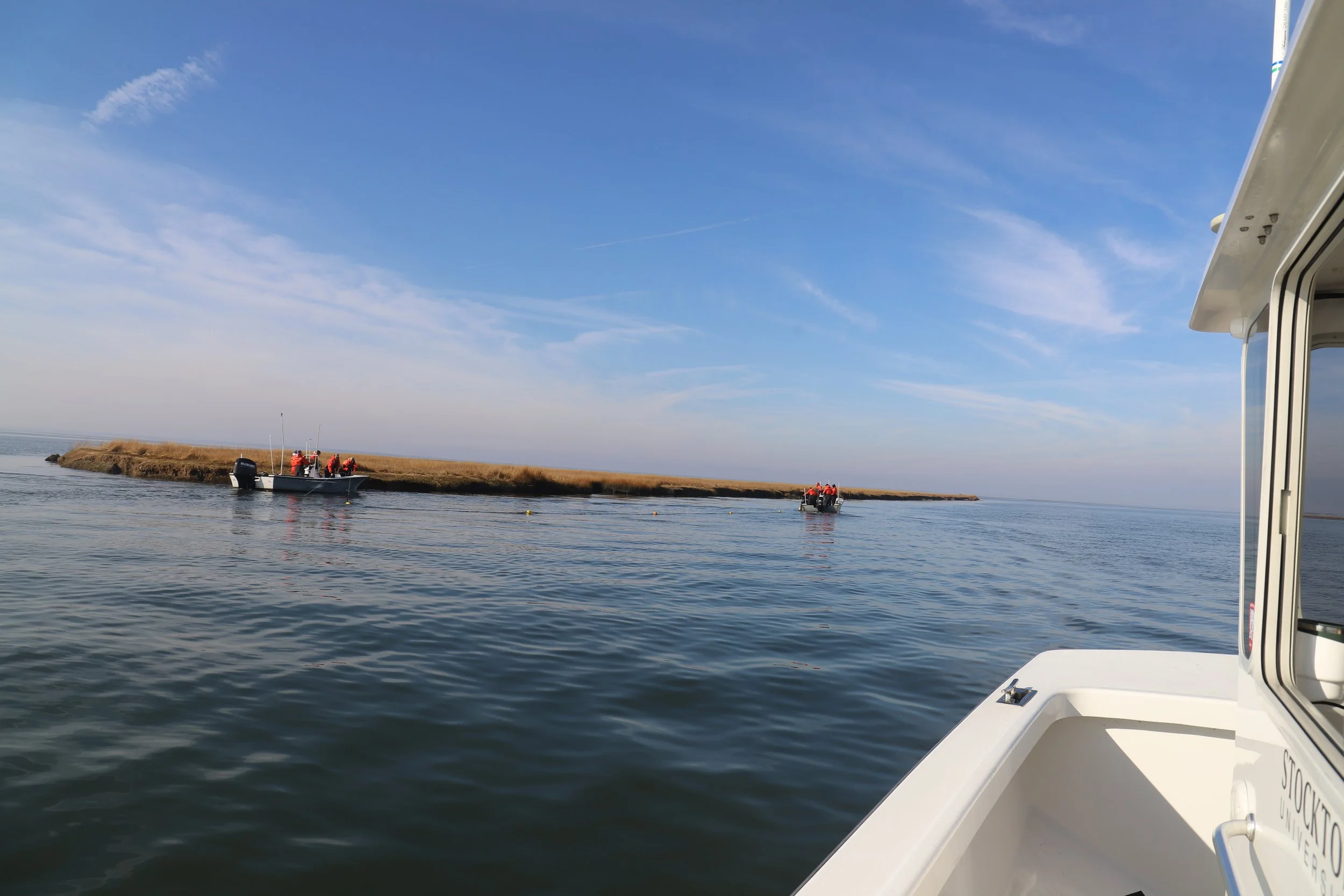
Partnership with Stockton University established the first tracking of seals from the Great Bay, NJ haul-out site
Established gray seal disentanglement and tagging efforts at Block Island, RI in partnership with Mystic Aquarium’s Animal Rescue Program (2025)
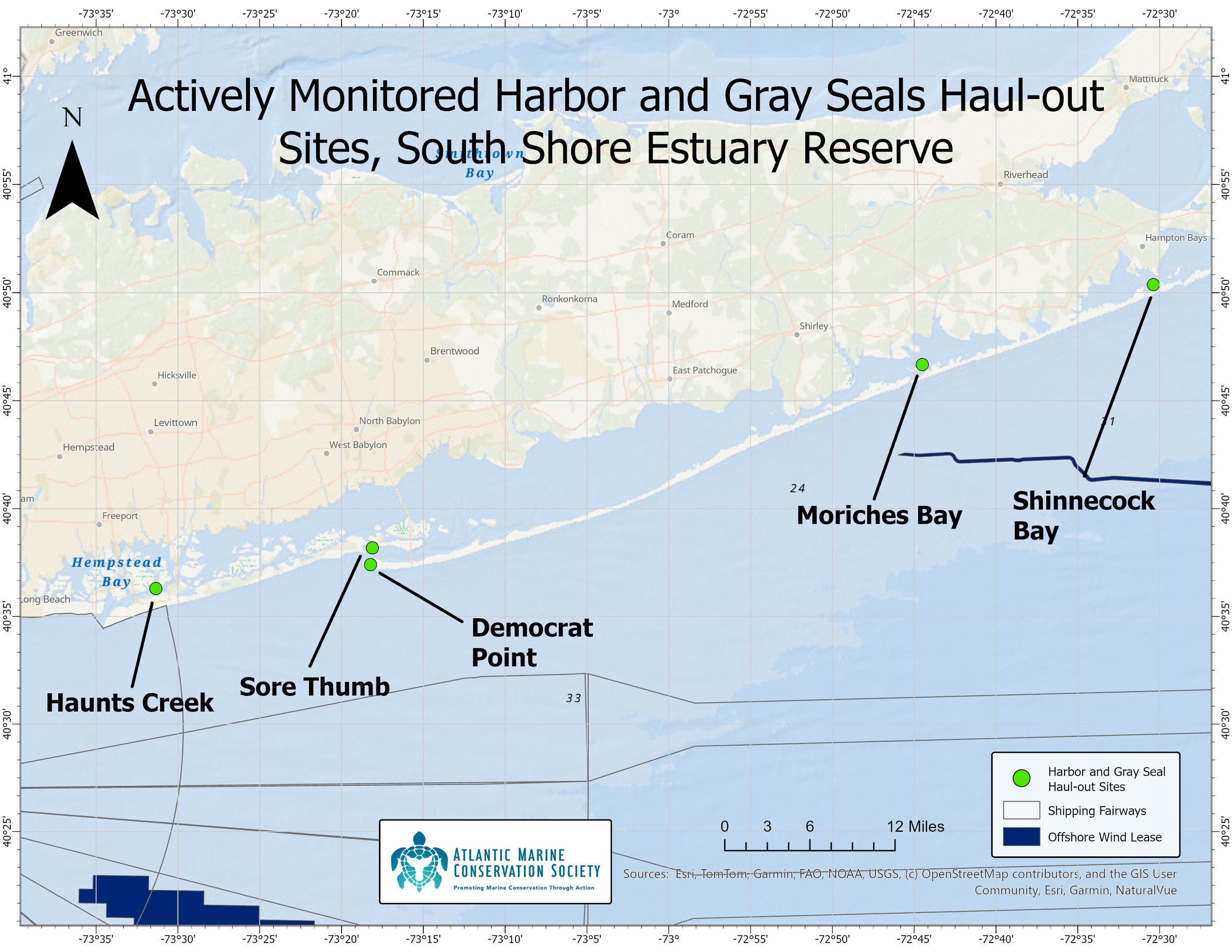
This work forms backbone of the new New York South Shore Estuary Reserve monitoring program
SSER covers all bays from Town of Hempstead to Shinnecock Bay, Southampton
Project coordinates historic and current seal sighting/stranding data with AMSEAS and Coastal Research and Education Society of Long Island (CRESLI)
Sea turtle monitoring and habitat assessment in development through SSER because of this work